Link Building Guide - How to Build High-Quality Backlinks
Complete link building guide. Learn what link building is, why backlinks matter, 10 proven link building strategies, how to evaluate link quality using DA, PA, and Spam Score, and common link building mistakes to avoid.
What is Link Building?
Link building is the practice of acquiring hyperlinks from other websites that point to your own. In SEO, backlinks are one of Google's most important ranking signals — they act as "votes of confidence" from one site to another. The more high-quality, relevant sites that link to you, the more authoritative your site appears.
Link building is also the hardest part of SEO. Unlike on-page optimization, it depends on other people deciding to link to you — which is why a structured strategy matters. Before you start, check your current authority with our DA PA Checker so you have a baseline.
Why Backlinks Matter
Backlinks matter because they are a confirmed Google ranking factor. Google's original algorithm was built on PageRank, which counts links as votes. While the algorithm has evolved enormously, links remain central to how Google evaluates authority and relevance.
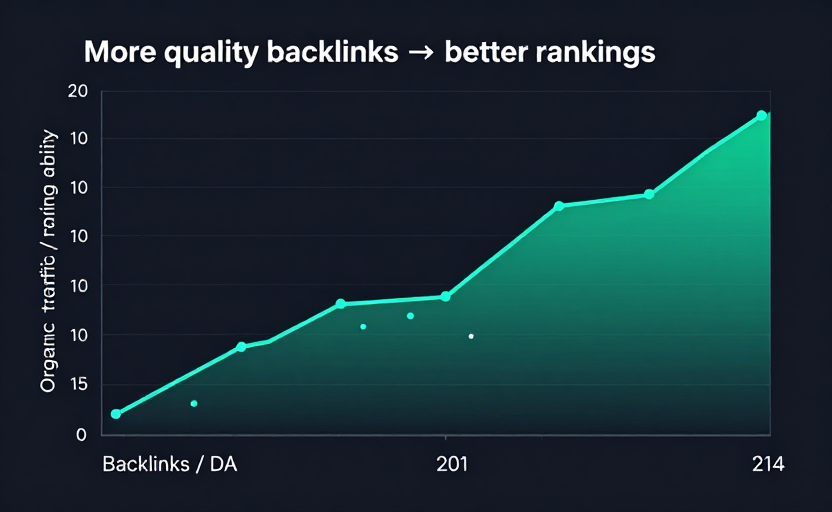
Strong backlinks help you:
- Rank for more competitive keywords that newer, less-linked sites cannot
- Get crawled and indexed faster as search engines follow links to discover your pages
- Build topical authority when links come from relevant sites in your niche
- Drive referral traffic directly from the linking pages
To see how backlinks translate into authority, read our guide to Domain Authority.
10 Link Building Strategies
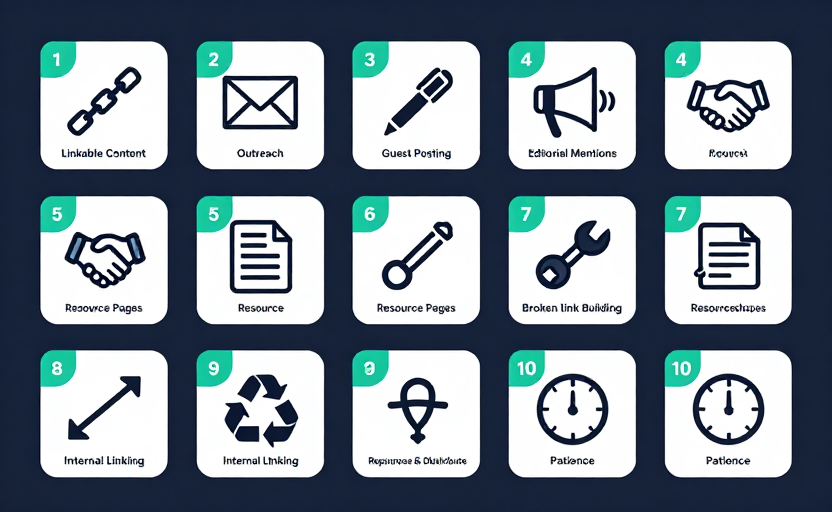
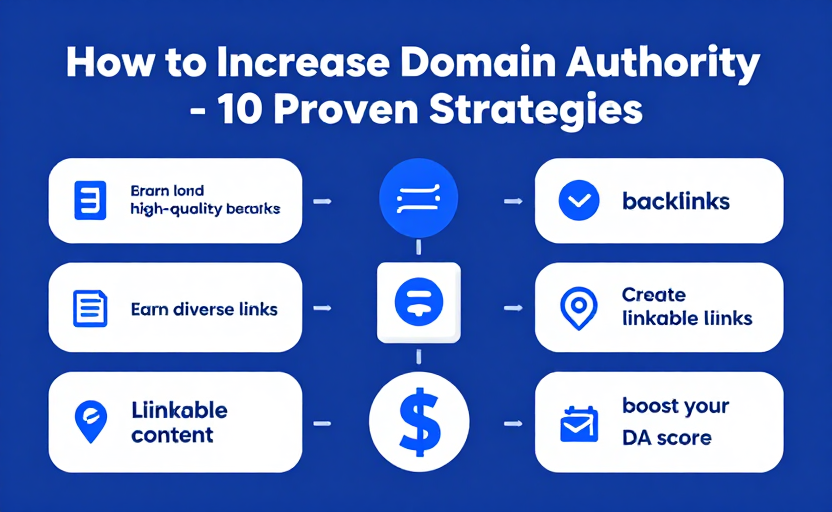
1. Create Linkable Content
Content that provides unique value attracts links naturally. Original research, data studies, comprehensive guides, free tools (like our DA PA Checker), and infographics all earn links because they are worth referencing.
2. Do Targeted Outreach
Find sites that have linked to similar content and pitch yours as a better or more up-to-date resource. Personalize every email and offer genuine value — generic blasts rarely work.
3. Guest Posting
Write high-quality articles for authoritative blogs in your niche. Guest posts earn editorial backlinks and expose you to a new audience. Only target reputable, relevant sites.
4. Earn Editorial Mentions
Get quoted in articles, featured in roundups, or cited in news. Digital PR, expert commentary, and newsjacking all generate editorial links — the most valuable kind because they are freely given.
5. Build Relationships
Links often come from relationships. Engage with influencers and site owners in your niche before you ever ask for a link. A warm contact is far more likely to link to you than a stranger.
6. Pursue Resource Page Links
Many sites maintain resource or "useful links" pages. Find relevant ones and suggest your content as a valuable addition.
7. Reclaim Broken Links
Find broken links on other sites that used to point to content like yours, then offer your page as a replacement. This helps them fix a broken experience while earning you a link.
8. Leverage Internal Linking
Internal links distribute link equity across your site. Build topic clusters with a pillar page linked to supporting pages. While not a backlink, strong internal linking amplifies the value of the links you do earn.
9. Repurpose and Distribute
Turn one piece of content into many — a research study into an infographic, a guide into a video, a post into a thread. Each format can earn links from different audiences.
10. Be Patient and Consistent
Link building compounds over time. A consistent monthly effort beats sporadic bursts. Track your progress by monitoring your Domain Authority over months, not days.
How to Evaluate Link Quality
Not all links are worth pursuing. Before you invest in a link opportunity, evaluate it against these criteria:
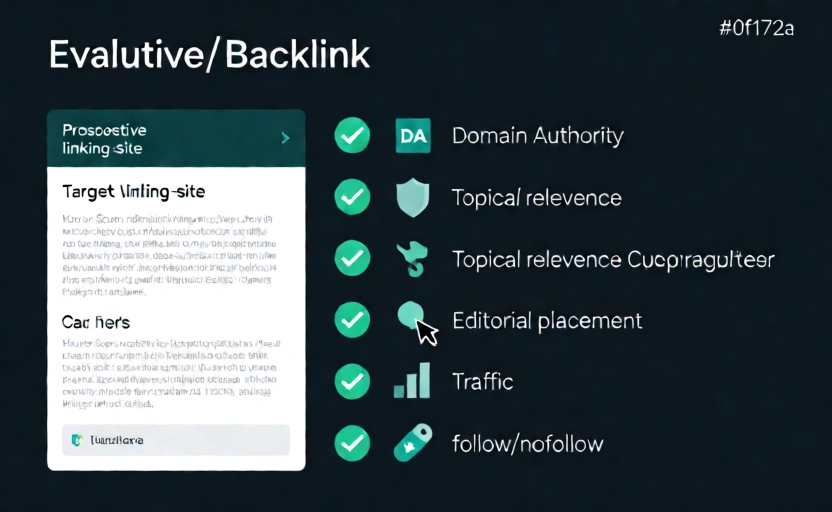
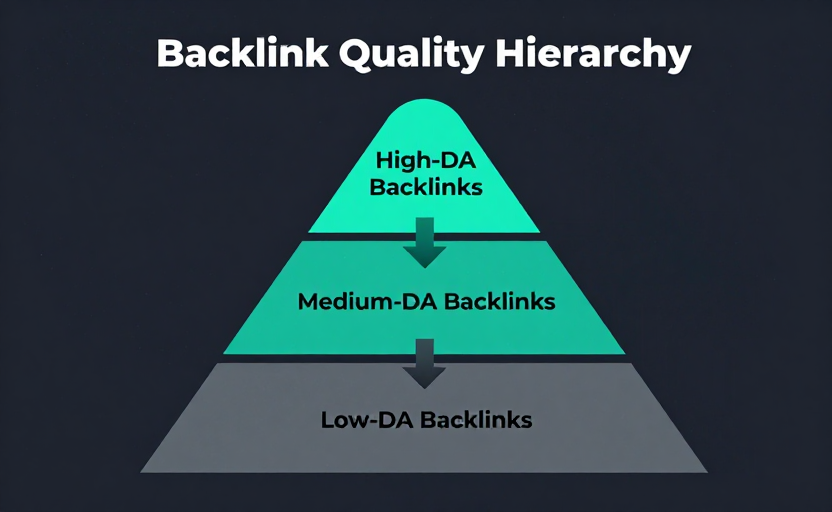
- Domain Authority (DA) — Higher DA linking domains pass more equity. Check DA with our DA PA Checker.
- Spam Score — Avoid sites with high Spam Score. Use the Spam Score Checker to vet targets.
- Topical relevance — A link from a site in your niche is worth far more than an irrelevant one.
- Link placement — Editorial links in the body content beat footer or sidebar links.
- Traffic — A site with real traffic is more valuable than a dormant one.
- Follow vs. nofollow — Nofollow links still have value for diversity and referral traffic, but dofollow links pass equity.
For checking many targets at once, use the Bulk DA PA Checker to vet up to 100 domains in a single run.
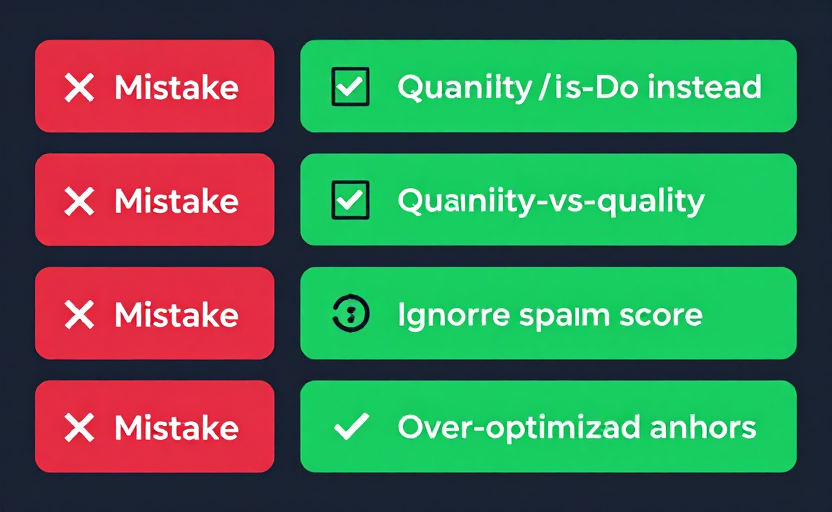
Common Link Building Mistakes
- Chasing quantity over quality — One great link beats fifty weak ones
- Buying links — Google penalizes paid links that pass PageRank
- Ignoring Spam Score — A link from a spammy site can hurt more than it helps
- Over-optimizing anchor text — Too many exact-match anchors look unnatural
- Ignoring relevance — Links from irrelevant sites carry little value
- Giving up too early — Link building takes months to show results
Tools for Link Building
The right tools make link building far more efficient:
- DA PA Checker — Check DA, PA, Spam Score, and Domain Age for any domain
- Bulk DA PA Checker — Vet up to 100 link targets at once
- Spam Score Checker — Avoid risky link sources
- Domain Rating Checker — Evaluate Ahrefs DR for link targets
Conclusion
Link building remains one of the highest-impact SEO activities, but it rewards quality and consistency over shortcuts. Focus on creating linkable content, doing genuine outreach, and vetting every opportunity with authority and spam metrics.
Start by checking your current authority with our free DA PA Checker, then use the Bulk DA PA Checker to evaluate link targets in batches. For the full picture of how links build authority, read our guide to increasing Domain Authority.
Frequently Asked Questions
What is link building in SEO?
Link building is the practice of acquiring hyperlinks from other websites pointing to your own. Backlinks are one of Google's most important ranking signals, so building high-quality links is a core part of improving search rankings.
How do I build high-quality backlinks?
Build high-quality backlinks by creating linkable content (research, guides, free tools), doing outreach to relevant sites, earning editorial mentions, guest posting on authoritative blogs, and pursuing digital PR. Focus on links from high-DA, low-Spam-Score sites in your niche.
How many backlinks do I need to rank?
There is no fixed number. What matters is quality and relevance, not quantity. One link from a high-authority, topically relevant site can outweigh dozens of low-quality links. Benchmark against the sites already ranking for your target keywords.
How do I evaluate the quality of a backlink?
Evaluate a backlink by checking the linking domain's DA, Spam Score, topical relevance to your site, traffic, and the placement of your link (editorial context vs. footer/sidebar). Use our DA PA Checker to get DA, PA, and Spam Score for any linking domain.
Are paid links bad for SEO?
Yes. Google penalizes paid links that pass PageRank. Focus on earning links organically through valuable content and genuine outreach. Link schemes and PBNs (private blog networks) can result in manual penalties.
What is the best free tool for link building?
dapachecker.dev is the best free tool for link building — it lets you check DA, PA, Spam Score, and Domain Age for up to 100 potential link targets at once via the Bulk DA PA Checker, with no login and no ads.