What is DA PA? Complete Guide to Domain Authority & Page Authority
What is DA PA? Complete guide to Domain Authority and Page Authority scores by Moz. Learn how DA and PA are calculated, what good scores are, and how to improve your website's authority.
What is DA (Domain Authority)?
Domain Authority (DA) is a search engine ranking score developed by Moz that predicts how well a website will rank on search engine result pages (SERPs). DA scores range from 1 to 100, with higher scores indicating a greater ability to rank.
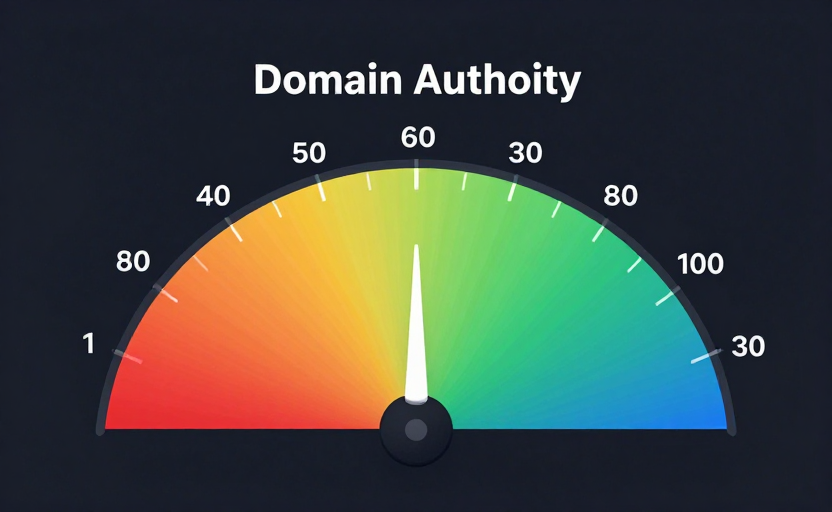
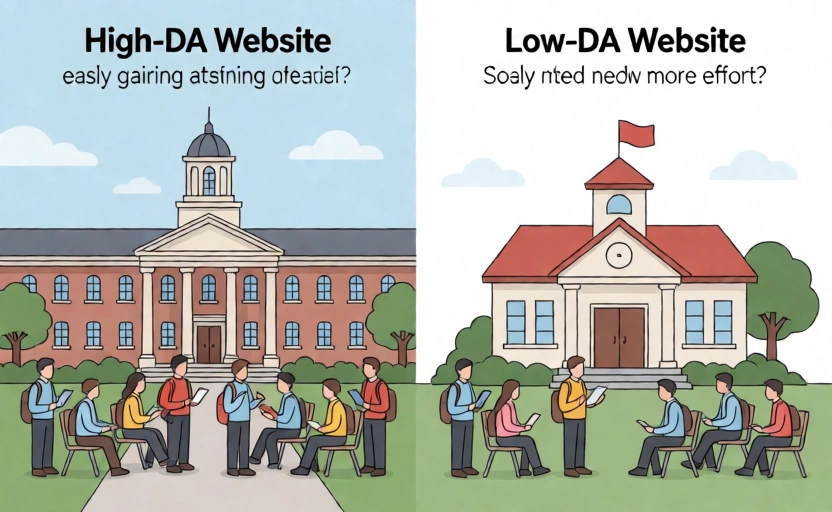
Think of DA like a school's overall reputation. A school with a strong reputation (high DA) has an easier time getting its students (pages) noticed, while a lesser-known school (low DA) has to work harder to get the same attention.
How is Domain Authority Calculated?
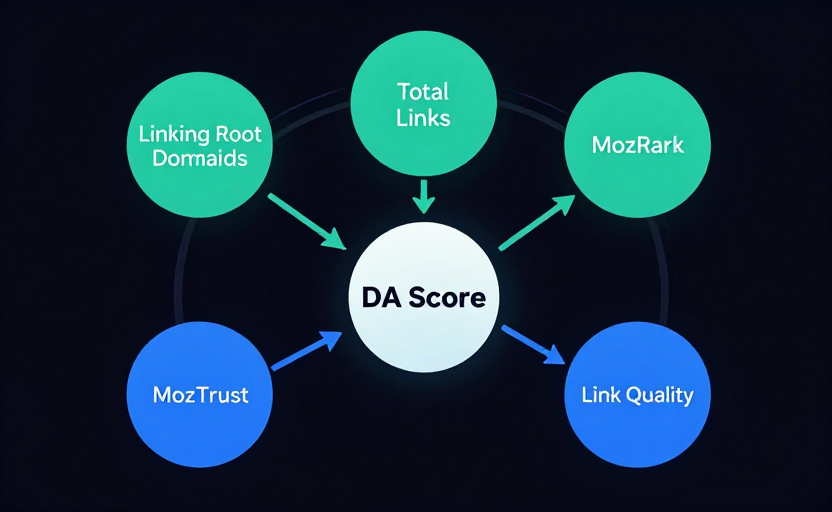
Moz calculates DA using machine learning algorithms that analyze multiple factors:
- Linking root domains — The number of unique domains linking to your site
- Total number of links — The overall quantity of backlinks
- MozRank — The link equity (or "link juice") passed by links
- MozTrust — The trustworthiness of the linking sites
- Link quality — Not all links are equal; links from high-DA sites pass more authority
The exact algorithm is proprietary, but the fundamental principle is that sites with more high-quality backlinks tend to have higher DA scores.
DA Score Ranges
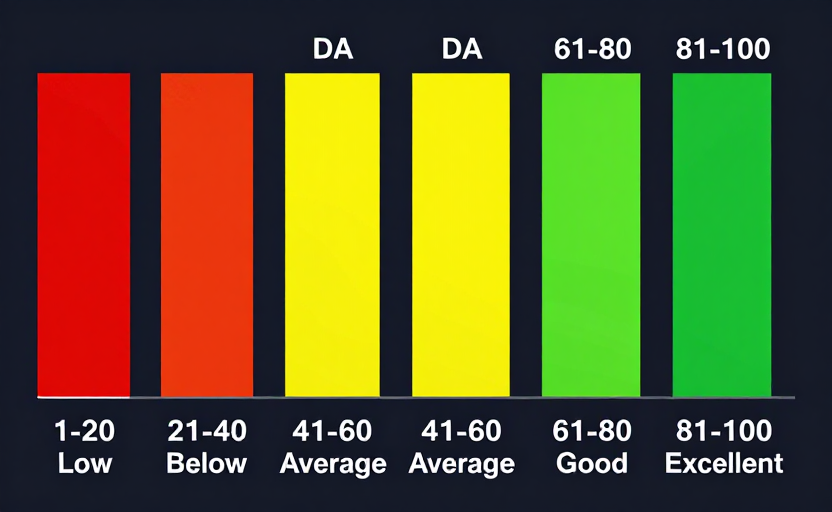
| Score Range | Level | Description |
|---|---|---|
| 1-20 | Low | New or low-authority websites |
| 21-40 | Below Average | Small websites with limited backlinks |
| 41-60 | Average | Established websites with moderate authority |
| 61-80 | Good | Strong, well-established websites |
| 81-100 | Excellent | Top-tier, highly authoritative websites |
What is PA (Page Authority)?
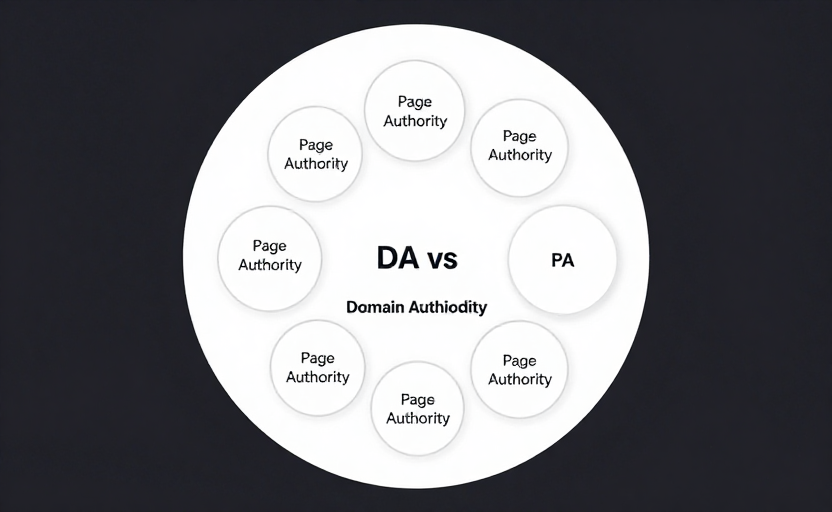
Page Authority (PA) is similar to DA, but it measures the ranking strength of a single page rather than the entire domain. PA also ranges from 1 to 100.
If DA is like a school's overall reputation, PA is like the reputation of a specific class or department within that school. Even at a highly respected university (high DA), some departments (pages) will be stronger than others.
How is Page Authority Calculated?
PA uses the same factors as DA but applies them to a single page rather than a domain:
- Backlinks pointing to that specific page
- Link quality and diversity of those backlinks
- Internal links from other pages on the same site
- MozRank and MozTrust at the page level
DA vs PA: What's the Difference?
| Feature | Domain Authority (DA) | Page Authority (PA) |
|---|---|---|
| Scope | Entire domain | Single page |
| Predicts | Domain-wide ranking potential | Page-level ranking potential |
| Influenced by | All links to the domain | Links to that specific page |
| Use case | Comparing overall site strength | Evaluating specific page performance |
| Scale | 1-100 | 1-100 |
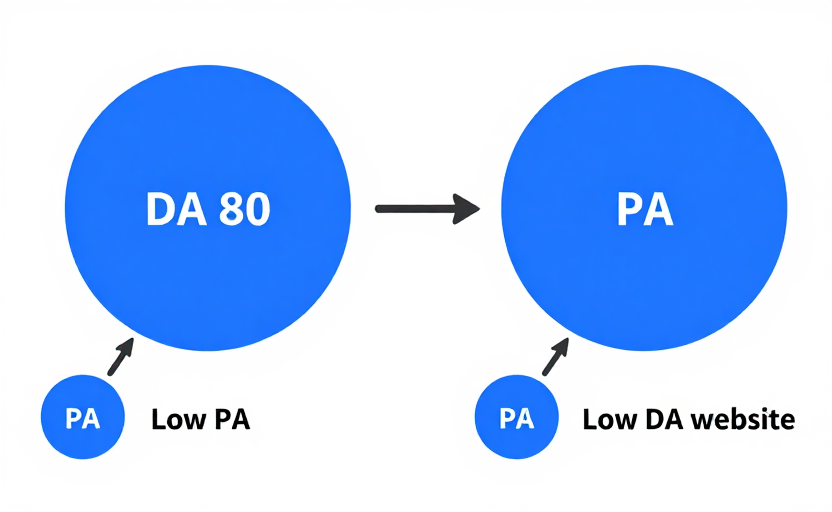
Key insight: A page on a high-DA site can still have a low PA if it has few external links pointing directly to it. Conversely, a specific page on a low-DA site can have a relatively high PA if it has attracted strong backlinks.
Why DA PA Matters for SEO
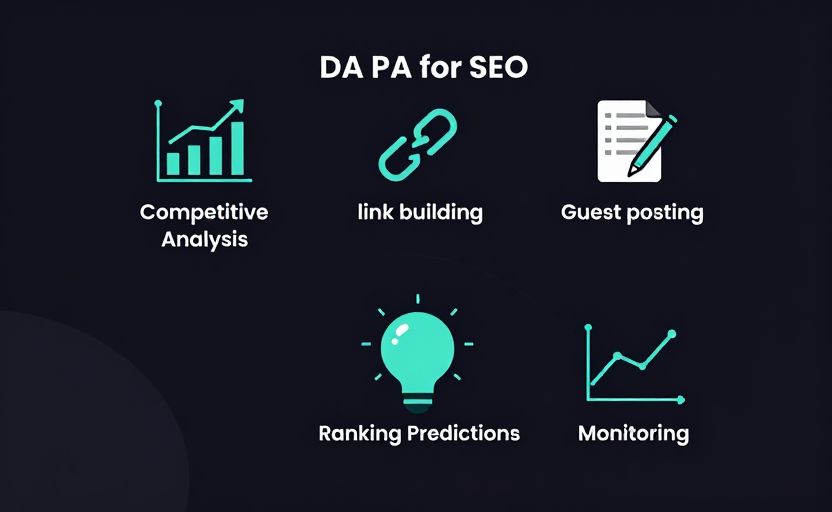
- Competitive analysis — Compare your DA against competitors to understand the ranking landscape
- Link building strategy — Use DA to evaluate the quality of potential link sources
- Guest posting — Target high-DA sites for guest posting to maximize SEO value
- Ranking predictions — Higher DA sites generally have an easier time ranking for competitive keywords
- Link profile monitoring — Track DA over time to spot potential problems with your backlink profile
Important: DA and PA are not Google ranking factors. They are Moz-specific metrics that correlate with ranking potential. Google uses its own algorithms and signals.
How to Check DA PA
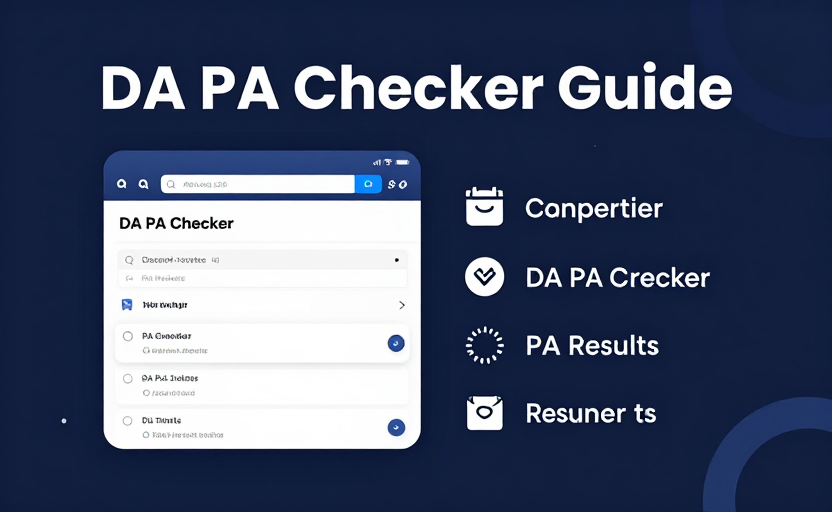
The easiest way to check DA and PA is to use our free DA PA Checker tool:
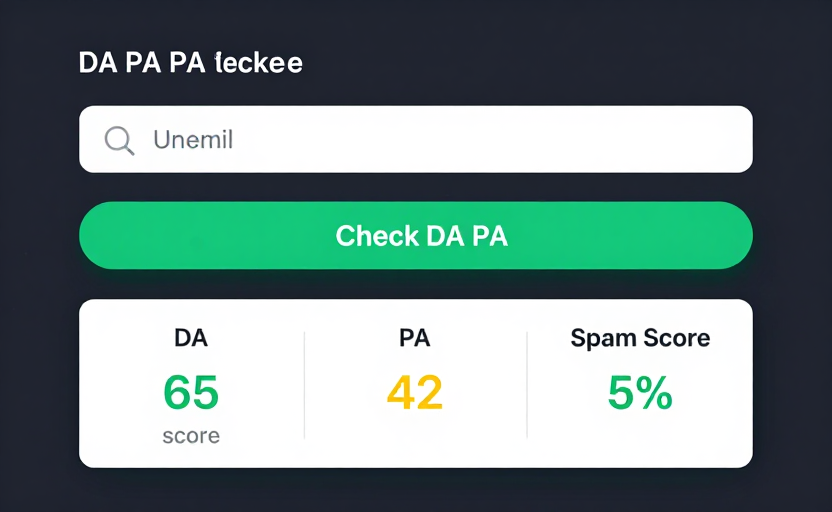
- Enter one or more URLs
- Click "Check DA PA"
- View DA, PA, and Spam Score instantly
You can also check DA PA in bulk using our Bulk DA PA Checker, which supports up to 100 URLs at once.
How to Improve DA PA Scores
Improving DA and PA is primarily about building a stronger backlink profile. For a detailed step-by-step guide, see our How to Increase Domain Authority article.
For Domain Authority:
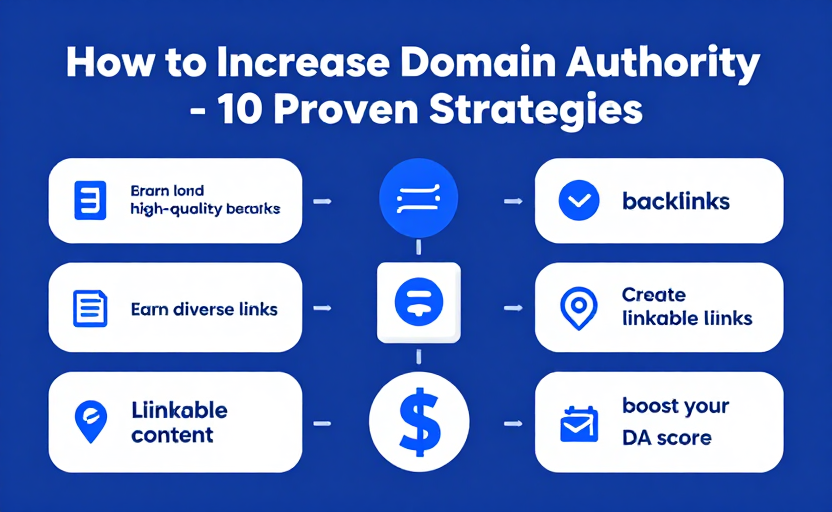
- Build high-quality backlinks from authoritative websites
- Earn links from diverse, unique referring domains
- Remove or disavow toxic or spammy backlinks
- Create linkable content that naturally attracts links
- Improve your internal linking structure
For Page Authority:
- Build backlinks directly to the specific pages you want to rank
- Use internal links from other high-PA pages on your site
- Create comprehensive, valuable content worth linking to
- Promote your content through outreach and social sharing
Timeline
DA and PA are not static scores — they update periodically as Moz re-crawls the web. Most sites see changes every few weeks. Be patient: building authority takes months, not days.
Common DA PA Myths
Myth 1: "DA is a Google ranking factor." Reality: DA is a Moz metric, not a Google signal. However, it correlates with factors Google does use.
Myth 2: "A higher DA always means higher rankings." Reality: DA predicts ranking potential but doesn't guarantee it. Content quality, relevance, and user experience also matter.
Myth 3: "DA 50 is always good." Reality: DA is comparative. A DA of 50 might be excellent in a niche where competitors have DA 30, but below average if competitors have DA 70+.
Myth 4: "You can increase DA quickly." Reality: DA is based on your link profile, which takes time to build. Expect gradual improvement over months, not overnight jumps.
Conclusion
Domain Authority and Page Authority are essential metrics for understanding your website's SEO potential. While they're not direct Google ranking factors, they provide valuable insights for competitive analysis, link building, and overall SEO strategy.
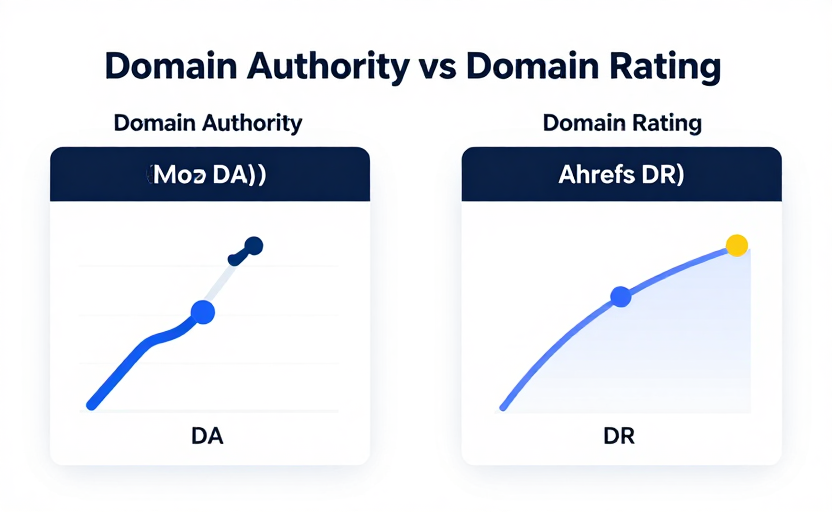
Check your DA PA now using our free DA PA Checker tool, and start tracking your progress today. For a deeper comparison of authority metrics, see our DA vs DR comparison guide.
Frequently Asked Questions
What is a good Domain Authority score?
DA scores range from 1 to 100. A score of 40-60 is average for established websites, 61-80 is good, and 81-100 is excellent. However, DA is comparative — what matters is how your DA compares to competitors in your niche.
Is Domain Authority a Google ranking factor?
No, DA is a Moz-specific metric, not a Google ranking factor. However, it correlates with factors Google does use, making it useful for competitive analysis and link building strategy.
What is the difference between DA and PA?
DA measures the ranking potential of an entire domain, while PA measures the ranking potential of a single page. A page on a high-DA site can still have a low PA if it has few external links pointing directly to it.
How often does Domain Authority update?
Moz updates DA every 3-4 weeks as they re-crawl the web. Most sites see changes every few weeks, but building authority takes months of consistent effort.
Can you increase DA quickly?
No, DA is based on your link profile which takes time to build. Expect gradual improvement over months, not overnight jumps. Going from DA 10 to 20 is easier than going from DA 60 to 70.